How Many PRP Sessions Are Needed to See Results?

Platelet-Rich Plasma (PRP) is one of the regenerative medicine approaches that utilizes platelet-rich plasma derived from the patient's own blood. It is commonly used in hair restoration, skin rejuvenation, orthobiologic applications, and various aesthetic procedures. But how many PRP sessions are required, and when can patients expect to see results?
When Does PRP Start Working?
The timeline for PRP outcomes may vary depending on the treatment area, the patient's age, overall health condition, and the specific clinical indication. Although the biological activity of PRP begins shortly after administration, visible improvements may take several weeks to a few months to become noticeable.
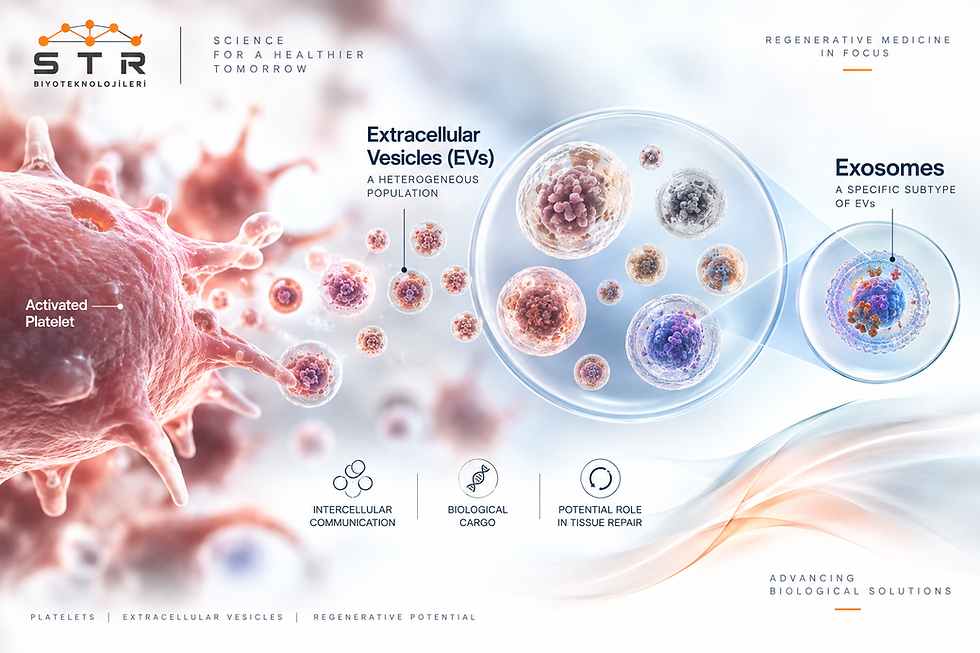
Platelets within PRP release growth factors and bioactive mediators that may support the body's natural healing and regenerative processes.
How Many PRP Sessions Are Typically Recommended?
In many clinical applications, PRP treatment protocols generally consist of 3 to 4 sessions, usually performed at 2 to 4-week intervals.
However, the exact treatment plan may vary depending on:
The treatment indication,
The patient's clinical condition,
Therapeutic goals,
The physician's assessment and recommendations.
How Many PRP Sessions Are Needed for Hair Restoration?
In hair restoration procedures, some individuals may begin noticing early changes after 2 to 3 sessions. More noticeable outcomes are commonly evaluated within 3 to 6 months following treatment initiation.
PRP applications may help support:
Hair follicle vitality,
Maintenance of hair density,
The biological activity of the scalp environment.
When Can Results Be Seen in Skin Rejuvenation Treatments?
For facial rejuvenation procedures, improvements in skin quality may begin to appear within several weeks. Changes in skin appearance and texture can vary among individuals.
Many treatment protocols recommend approximately three sessions to optimize outcomes.
How Many PRP Sessions Are Required for Orthopedic Applications?
In orthopedic and musculoskeletal conditions, the number of PRP sessions depends on the clinical diagnosis and severity of the condition. While some patients may benefit from a single application, others may require 2 to 3 treatment sessions.
Orthopedic PRP treatment plans should always be determined by qualified healthcare professionals based on individual patient needs.
Factors Influencing PRP Outcomes
Several factors may affect the clinical response to PRP treatment, including:
Patient age and overall health status,
The underlying indication being treated,
The characteristics of the PRP preparation system used,
The platelet concentration achieved,
The physician's expertise and application technique,
Adherence to the recommended treatment protocol.
Conclusion
The effects of PRP treatment may vary from person to person. In general, PRP protocols involve 3 to 4 treatment sessions, with early improvements potentially observed within several weeks, while more noticeable outcomes are often evaluated after 3 to 6 months.
Consultation with a qualified healthcare professional is essential to determine whether PRP is appropriate for your condition and to establish an individualized treatment plan.