PRP in Sports Medicine: Benefits of Platelet-Rich Plasma for Sports Injury Recovery

Platelet-Rich Plasma (PRP) has become one of the most widely used regenerative treatments in sports medicine, helping athletes and active individuals recover from sports injuries while supporting the body's natural healing process.
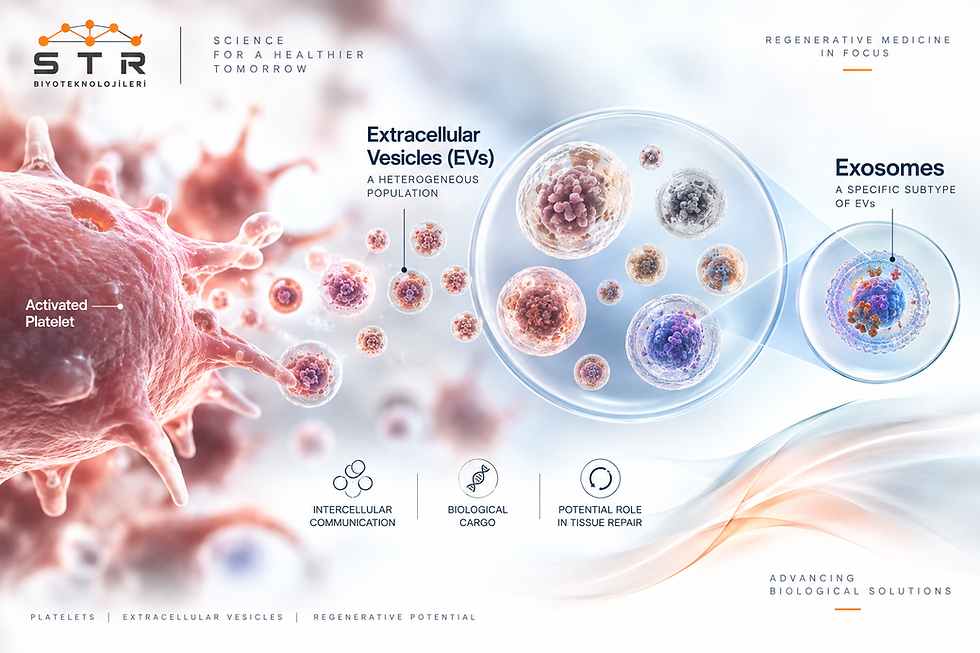
PRP is prepared from the patient's own blood by concentrating platelets rich in growth factors such as PDGF, TGF-β, and VEGF. These growth factors promote tissue repair, collagen production, and angiogenesis, making PRP therapy a valuable option for treating tendon, ligament, muscle, and joint injuries.
In sports medicine, PRP is commonly used for conditions including tennis elbow, Achilles tendinopathy, patellar tendinopathy, muscle strains, ligament injuries, and early joint degeneration. When combined with a structured rehabilitation program, PRP treatment may help improve recovery and support a safe return to sports.
One of the main advantages of Platelet-Rich Plasma therapy is that it is an autologous treatment, using the patient's own blood to minimize the risk of allergic reactions or disease transmission. The procedure is minimally invasive, performed in an outpatient setting, and typically completed within an hour.
Successful PRP therapy for sports injuries depends on accurate diagnosis, proper patient selection, rehabilitation, and a standardized PRP preparation system capable of producing a consistent, high-quality platelet concentrate.
As regenerative medicine continues to advance, PRP in sports medicine remains an evidence-based solution for clinicians seeking to support tissue healing, reduce recovery time, and help athletes return to peak performance.